Sunlight Prohibition
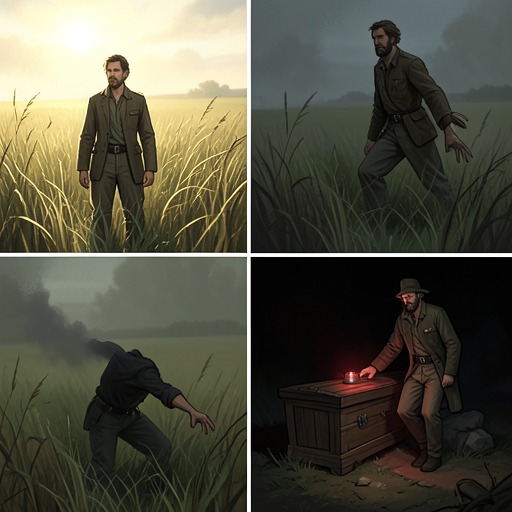
Interview with the VampireThe Sunlight Prohibition is the rule that daylight destroys vampires and therefore organizes their entire practical existence. It turns the daily return of dawn into a recurring crisis: vampires must reach sealed shelter before morning, while exposure converts the apparently immortal body into something vulnerable to destruction. The rule also gives sunlight a finality that ordinary injury lacks, distinguishing temporary damage from the annihilation of the remains.
Definition and Physical Operation
The rule is explained to Louis during his transformation. Lestat warns that the sun will destroy the blood he has given Louis in every tissue and vein, and compares Louis’s lingering human fear to the phantom pain of a man who has lost a limb. The warning establishes that sunlight is not simply uncomfortable or dangerous; it attacks the newly altered body at the level of its transformed blood and would kill Louis before the change was complete.
After Louis sleeps in the coffin, he wakes changed rather than conventionally alive: his body is dead, even while his consciousness and movement continue. Armand later states the broader law with equal precision: vampires can recover from falls, broken bones, and other injuries, but the destruction of their remains, including by fire, dismemberment, or the heat of the sun, can kill them. Sunlight therefore belongs to a narrow class of irreversible threats. Immortality means resilience, not invulnerability.
Dawn, Coffins, and Enclosed Space
The prohibition dictates where vampires can sleep. When Louis resists sharing a room with Lestat, Lestat insists that separate rooms would create separate risks as dawn approaches. Louis rejects the arrangement and carries his coffin down the brick stairs to Paul’s abandoned oratory. He closes the wood blinds over the barred windows, bolts the door, and climbs into the satin-lined coffin before daylight arrives. The sequence presents the coffin not as a theatrical emblem but as an instrument of survival, while the sealed oratory becomes a temporary boundary between the vampire body and the sun.
The same rule shapes travel and concealment. Coffins can be transported as though they contain human remains, allowing vampires to move through the world while preserving a protected place for daylight hours. The apparent absurdity of being enclosed in a coffin is thus reversed: for the vampire, enclosure is not the opposite of freedom but the condition that makes nocturnal freedom possible. Every journey is divided by the approaching light, and every shelter must be secured before the day can reach the body.
Sunlight as a Limit on Immortality
The prohibition clarifies the tension between vampire immortality and mortality. Armand tells Louis that a fall onto the cobblestones would cause injury but that the bones and skin would heal rapidly; only the destruction of the remains, fire, dismemberment, and sunlight would end the vampire. This contrast makes the sun an absolute limit within a world otherwise defined by bodily recovery. The vampire may be scarred and damaged, but daylight can prevent the body from returning to any recognizable, living form.
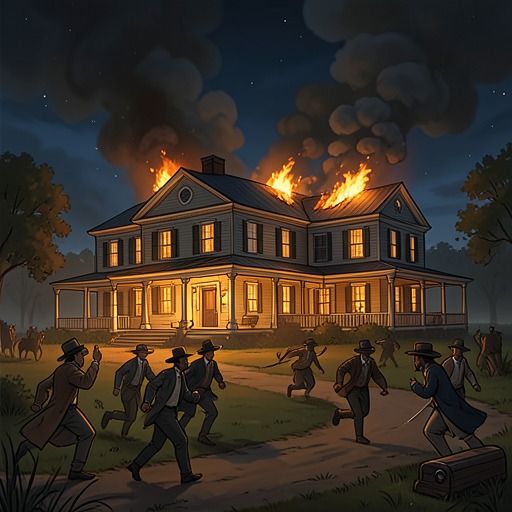
The rule also governs the management of corpses and evidence. When Louis burns the Théâtre des Vampires, he blocks the doors before dawn, pours kerosene through the lower cells and upper rooms, and sets the theater alight while its occupants are presumed to be asleep in their coffins. As he escapes, the first light of day burns his hands and forehead, reminding him that fire is not the only danger at the boundary of morning. The flames destroy the theater, while the rising sun threatens any vampire who has not already escaped or found protection.
Social and Narrative Consequences
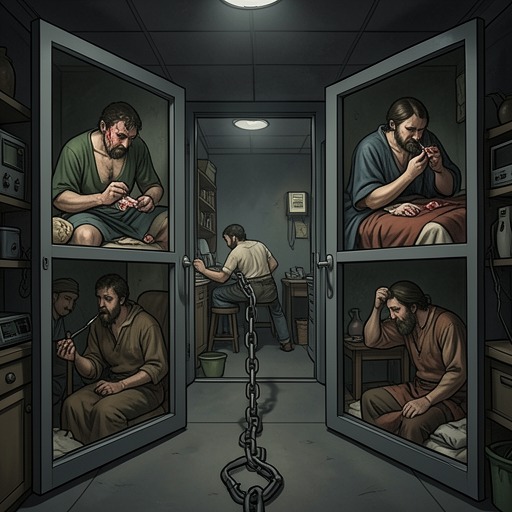
Because sunlight makes daytime exposure fatal, vampire communities depend on secrecy, controlled access, and carefully timed movement. The deserted rooms, locked doors, underground passages, and coffins that recur around vampire life are practical responses to the same restriction. Even rescue becomes conditional on the clock: Armand extracts Louis from the Théâtre des Vampires before dawn, and the escape proceeds through sealed passages toward an alley while the theater’s inhabitants retreat into their daily hiding places.
The rule also intensifies the moral and emotional pressure of the narrative. Dawn repeatedly forces decisions that cannot be postponed. Louis must choose shelter after his transformation; Armand must decide whether he can save Louis without openly confronting the theater’s vampires; and Louis must complete his arson before daylight makes the plan impossible. At the burning theater, the sun joins the fire as an instrument of destruction, ensuring that those trapped inside will either be consumed by the blaze or exposed when rescuers and daylight enter the ruins.
Thematic Significance
The Sunlight Prohibition gives vampire immortality a strict boundary and prevents it from becoming simple freedom from consequence. Night permits movement, appetite, concealment, and escape; day imposes enclosure, silence, and vulnerability. The resulting rhythm makes the supernatural life inseparable from architecture and time: shutters, coffins, cellars, and locked doors are defenses against a natural force that cannot be negotiated with.
Sunlight also functions as a form of exposure. The vampire survives by remaining hidden from ordinary human vision, but daylight does more than reveal the body: it destroys it. The opposition between nocturnal secrecy and morning illumination therefore joins physical danger to social danger. In the world of the novel, immortality is sustained not by overcoming nature but by submitting to a severe schedule imposed by the light.